


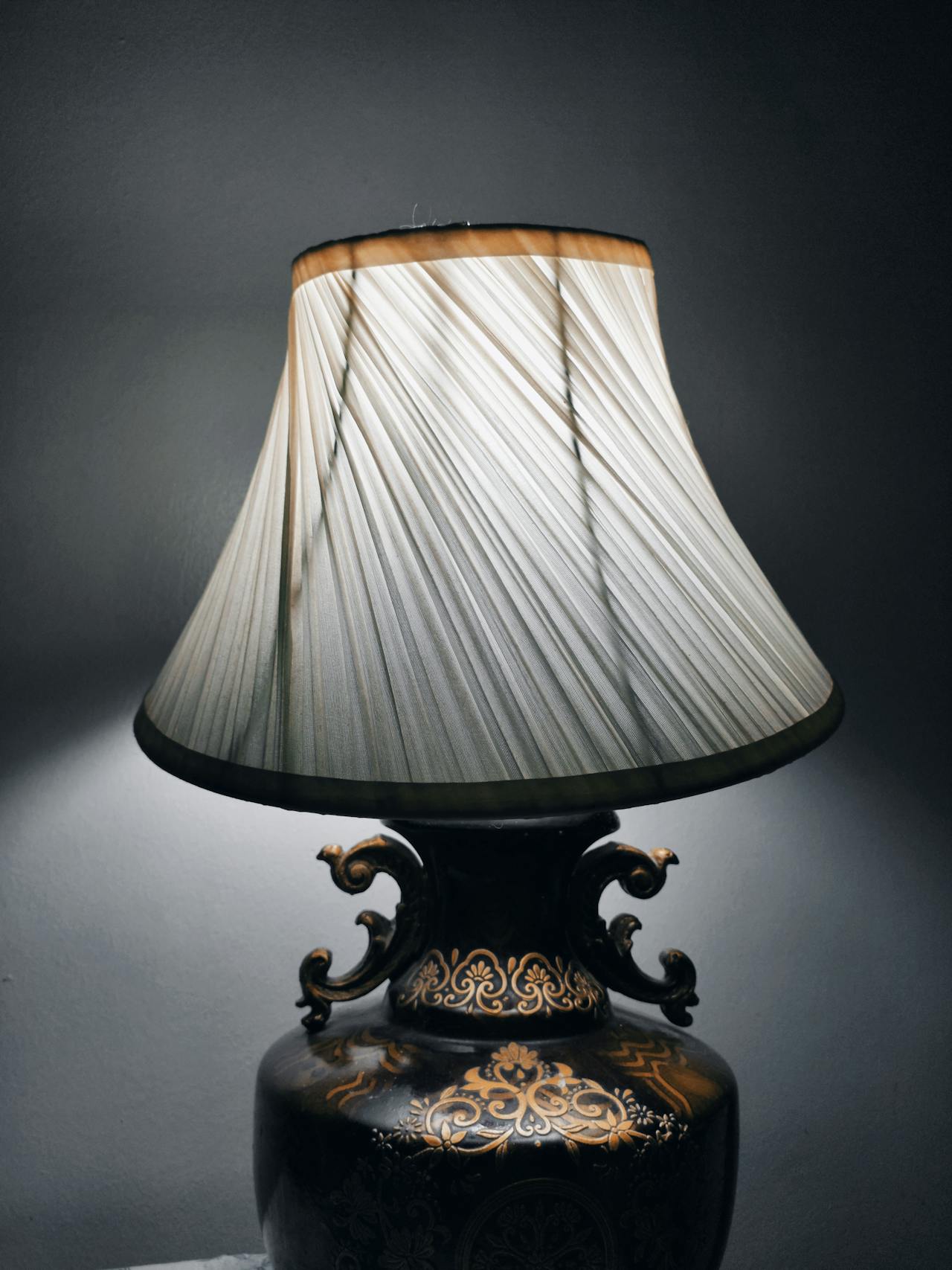
Lamps are some of the most personal lighting pieces in a home. They sit beside reading chairs, anchor console tables, soften bedrooms, and move with us through seasons of life.
You may have a favorite lamp that has followed you through multiple moves. An heirloom passed down from a grandparent. A treasured antique store find you searched for months to discover. Lamps often hold stories in a way fixed fixtures rarely do. They’re intimate. Familiar. Tied to memory.
Because they travel with us and are used daily, they require a different kind of care.
A well-cared-for lamp delivers consistent light, operates safely, and retains the craftsmanship and character that made you choose it in the first place—so it can continue to be part of your story.
Below, we’ll walk through thoughtful ways to maintain your lamps—from proper cleaning to recognizing when internal components need attention.
Product Highlight: Proper Cleaning Makes a Difference
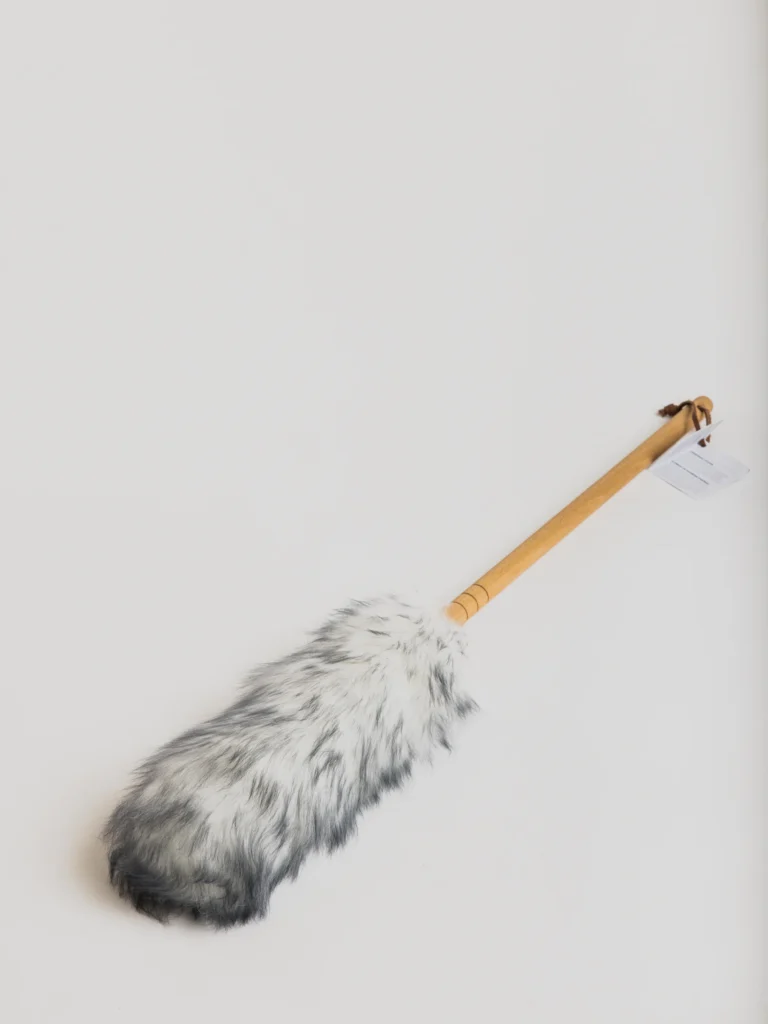
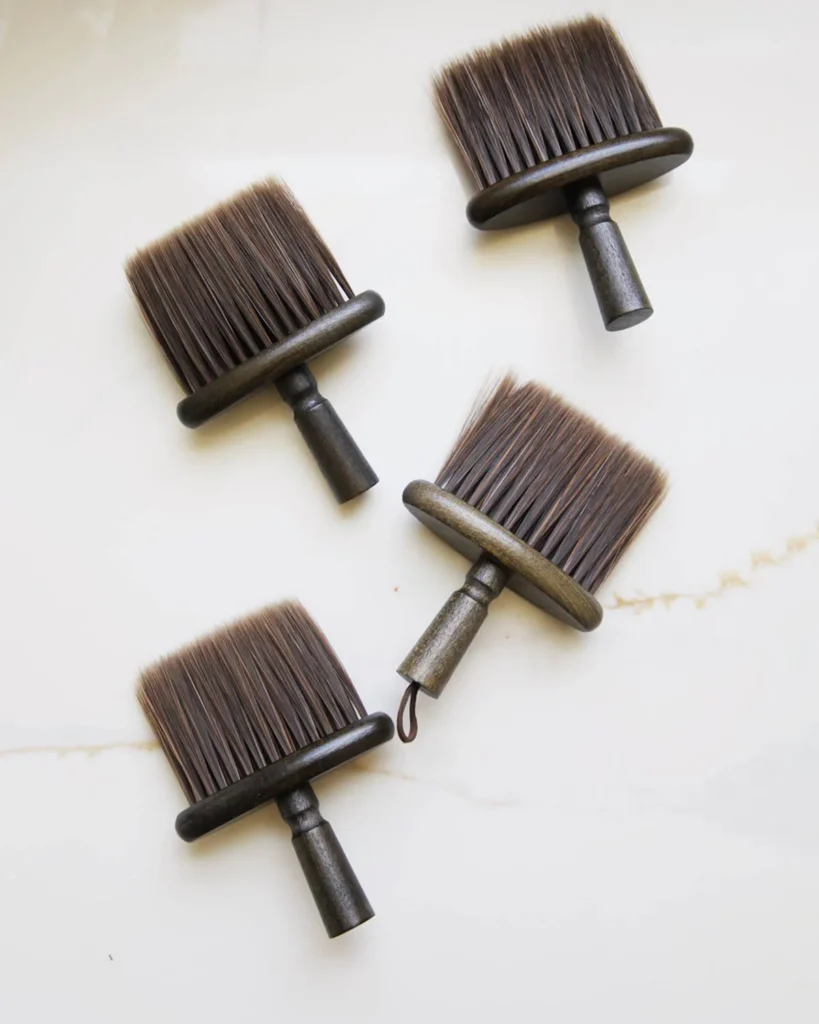
Caring for lamps often comes down to having the right tools for delicate work. Intricate bases, textured finishes, and lampshades can trap dust in places that a regular cloth simply can’t reach.
At The Light Center, we carry a small collection of specialty cleaning brushes and dusters designed specifically for lighting. These tools make it easier to gently remove dust from detailed bases, sculptural elements, and fabric shades without scratching finishes or damaging materials.
These products are available exclusively in our Fort Collins showroom, where you can see and feel the difference in quality before bringing them home.
Get directions to the showroom.
Cleaning Lamps the Right Way
Before performing any maintenance or cleaning, always unplug your lamp. This simple step protects you and prevents moisture from coming into contact with live electrical components.
Cleaning a lamp is about more than dusting the surface. Different materials require different approaches, and a gentle touch preserves both finish and function.
Lamp Bases
Whether metal, ceramic, wood, or stone, always use water to start, and if needed, add a gentle, non-abrasive cleaner appropriate for the material using a soft cloth. Avoid harsh sprays that can damage finishes or leave residue.
For detailed bases, carved elements, or textured materials, a soft detailing brush helps reach into grooves without scratching. Visit our showroom to find a high-quality brush or cleaner.
Lampshades
Fabric shades benefit from light vacuuming with a brush attachment or a specialty shade brush or sponge. Glass or metal shades can be wiped down carefully with a soft, damp cloth and appropriate cleaner.
Around the Socket Area
Use extra care near electrical components. Never spray cleaner directly onto or near the socket. Use a dry cloth or brush only and keep all moisture away from the interior of the socket to protect wiring and connections.
When to Replace a Socket
Lamps are frequently switched on and off, which means sockets experience repeated stress.
Warning signs include:
- Bulbs that won’t stay lit unless adjusted or the lamp flickers (often caused by poor contact or loosened internal wiring)
- Scorching or dark marks near the socket
- Excessive warmth in the base or non-electrical parts during operation
Many lamps from large retailers contain plastic sockets, which can become brittle or heat-stressed. Replacing them with durable metal sockets improves safety and extends the working life of the lamp—especially in vintage or heirloom pieces worth preserving.
When to Replace a Cord and/or Plug
Because lamps are moved and repositioned, cords endure subtle wear over time.
Replace the cord and/or plug if you see:
- Fraying, singeing, or cracking in the plastic or cloth insulation
- Exposed copper or internal wiring
- Discoloration or heat marks near the plug
- Power cutting in and out when the cord moves
- Rubber insulation that has become brittle or worn with age
- Non-polarized plugs on vintage or antique lamps – older lamps were often manufactured with these plugs, but they are no longer up to modern electrical code. Updating an older lamp to a polarized plug improves safety and helps bring the wiring closer to current standards.
Refreshing a cord can restore both safety and confidence—without replacing the lamp itself.
When It’s Time to Upgrade the Lamp Itself
Sometimes maintenance isn’t enough—and that’s okay.
Consider replacing a lamp if:
- Replacement parts are no longer compatible or available
- The lamp no longer supports modern bulbs or dimming in the way you desire
- Corrosion or structural wear affects stability
- A structural part breaks that cannot be repaired (metal snaps, for example)
- Your lighting needs have changed (function, layout, or style)
Our repair team often helps homeowners decide whether to repair or replace—based on long-term performance, not just appearance.
For Lighting Meant to Last
Caring for your lamps with simple cleaning and timely maintenance helps them stay safe, reliable, and beautiful for years to come. If you ever need help selecting bulbs, replacement parts, or the right tools for lamp care, the team at The Light Center is always happy to help.
And if you have vintage or antique lamps that you no longer wish to maintain, we may be interested in giving them a new life.
Through Lumenista, we are actively purchasing antique lamps and lighting pieces with strong craftsmanship, quality materials, and timeless character. Many of these pieces simply need updated wiring or thoughtful restoration before beginning their next chapter.
We’re looking for fixtures with:
- Strong design and craftsmanship
- Quality materials worth preserving
- A story, history, or simply “good bones”
If you have an heirloom lamp being retired during a remodel, antique store find, or vintage piece you’re considering parting with, we’d love to hear from you. Email photos and details to sales@lightcenterinc.com to see if it might be a fit for our collection.